Helping an Overweight Beagle: Diet Changes That Help
General nutrition information compiled from product labels and published sources, not veterinary advice. Your veterinarian is the right person to choose a diet for your dog, especially one with a health condition.
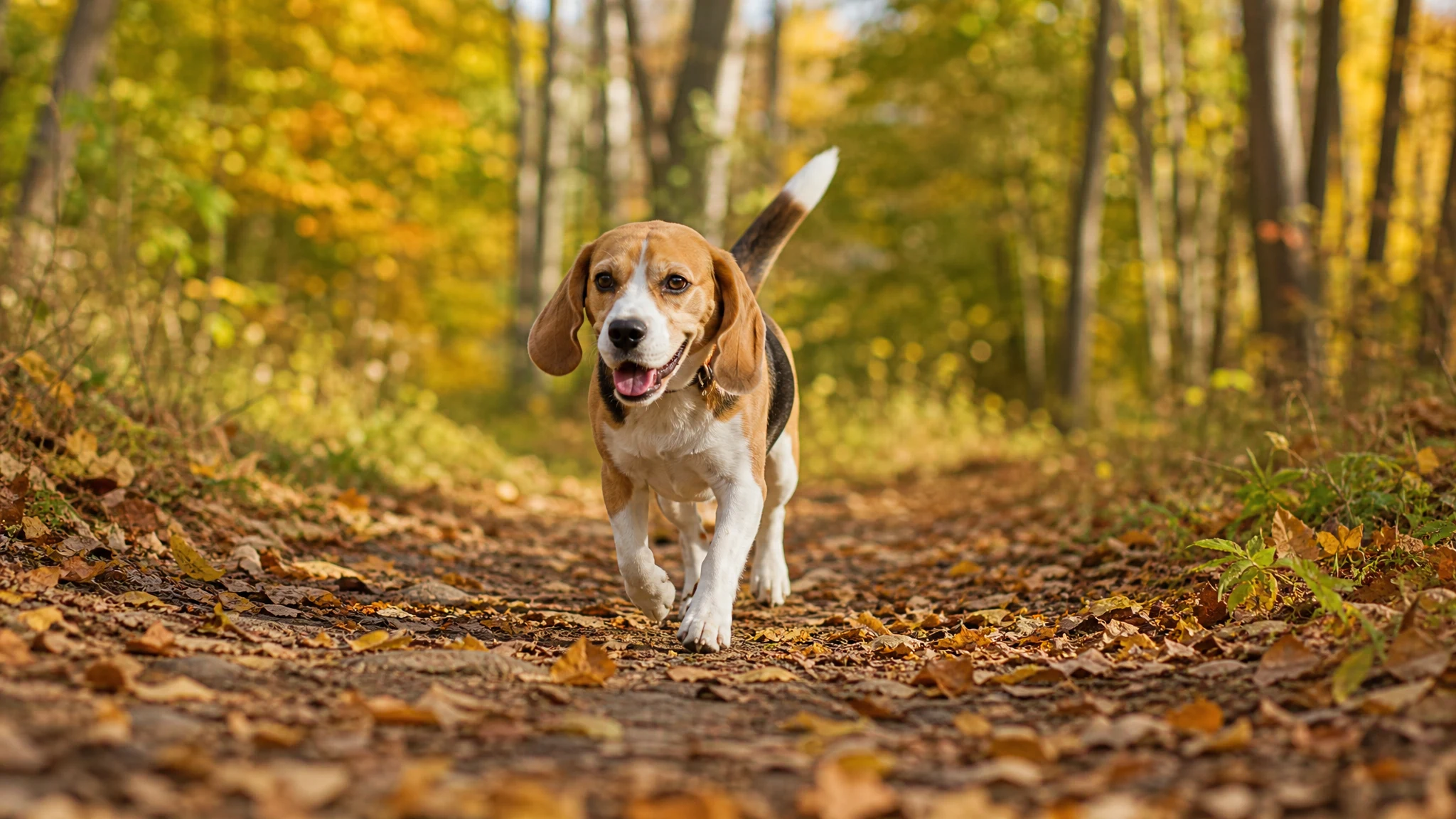
Beagles have a reputation for being food-motivated, and that trait comes with a real downside. Hill's Pet Nutrition notes that some Beagles easily become overweight once they are past puppyhood, and PetMD goes further, calling obesity very common in the breed and recommending controlled portions fed two to three times a day rather than free-feeding. Royal Canin's breed library echoes the same point: Beagles are prone to obesity, so weight management matters throughout their lives.
None of this means a diet change will fix every Beagle's weight on its own, and it is not a substitute for a veterinarian's exam. But a careful, step-by-step adjustment to how and what your Beagle eats is one of the few things an owner can control directly. This guide walks through that process using only label data and published breed information, not guesswork.
Why Beagles Put On Weight So Easily
The pattern shows up across more than one source. PetMD lists obesity as very common in Beagles and specifically warns against free-feeding. Hill's makes the same point about calorie creep after puppyhood. Royal Canin's breed library lists obesity as a known concern for the breed as well. None of these sources says a particular food causes or cures the problem. They describe a tendency toward weight gain that owners manage through portion control and food choice, with a veterinarian confirming what is appropriate for an individual dog.
For a broader look at how a Beagle's size, activity level and life stage affect its nutritional needs, see beagle nutrition and the diet factors that matter for this breed.
What You'll Need
- The bag or can of your Beagle's current food, so you can read the label
- A kitchen scale or a standard measuring cup (not the bowl you free-pour food into)
- A notebook, spreadsheet, or notes app to log daily amounts and weekly weight
- A bathroom scale or access to a vet's scale for periodic weigh-ins
- An appointment with your veterinarian to confirm a target weight and rule out medical causes
- Low-calorie treats, or a portion of the dog's own kibble set aside, for training rewards
Step-by-Step: Changing Your Beagle's Diet Safely
- Start with a veterinary check-in. PetMD notes that hypothyroidism is common in Beagles and is managed with daily medication and weight monitoring, which means an underactive thyroid can look like simple weight gain. A vet visit rules out medical causes before you change anything and gives you a realistic target weight for your individual dog.
- Read the current label before changing anything. Find the guaranteed analysis (protein and fat minimums), the AAFCO nutritional adequacy statement, and the calories per cup or per can. You cannot judge whether a new food is actually lower in calories if you do not know the calorie content of the old one.
- Measure every meal, every time. PetMD's advice against free-feeding only works if portions are measured. A kitchen scale is more accurate than a scoop, since kibble size and density vary between brands and bags.
- Compare labels, not marketing claims, when choosing a food. If you are looking at options described as weight-control or "lite" formulas, line up the calories per cup, the fat minimum, and the AAFCO statement side by side. For example, Hill's Science Diet Adult Perfect Weight Chicken & Brown Rice Recipe lists 298 kcal per cup and an AAFCO feeding-trial statement for maintenance of adult dogs, with a weight-control feeding table organized by ideal body weight rather than current weight. That is label data you can check yourself on the brand's own product page; it is not a claim that the food treats or reverses obesity.
- Transition gradually over seven to ten days. Mix increasing amounts of the new food with decreasing amounts of the old food. A fast switch can upset digestion, which makes it harder to judge whether the new food or the transition itself caused any change in appetite or stool.
- Use the label's feeding chart as a starting point, not a fixed rule. Hill's weight-control feeding table is organized by ideal weight and includes separate columns for weight loss versus weight maintenance, and the label itself says to adjust the amount as needed to maintain optimal weight. Treat the printed cup amount as day one of an experiment, not a guarantee.
- Weigh your dog on the same schedule, under the same conditions. Every one to two weeks, weigh your Beagle at roughly the same time of day. One data point means nothing; a trend over several weeks tells you whether the current portion is working.
- Adjust the amount, not just the food. If weight is not moving in the direction your vet set as a goal, the first lever is portion size within the same food, since that keeps the rest of the diet consistent while you isolate one variable.
- Budget treats and training rewards into the daily total. Treats count as calories whether or not they come out of the food bag. Setting aside a small portion of the dog's own kibble as training rewards keeps the day's total calories predictable.
- Recheck with your veterinarian. Bring your weight log to a follow-up visit so the plan can be adjusted for your individual dog rather than guessed at from a chart.
Tips
- Compare calories per cup, not just bag price or ingredient order. A smaller cup measurement of a denser food can still deliver more calories than a larger cup of a less dense one.
- Split the daily total into two or three smaller meals, which PetMD recommends for Beagles generally, rather than one large meal.
- Keep a second measuring cup out of reach of other household members so portions do not get duplicated by accident, a common way extra calories sneak in.
- Factor in life stage. A Beagle under 12 months old is still growing; Royal Canin's Beagle Adult formula, for example, is intended for purebred Beagles 12 months and older, so weight-control adult formulas are not designed for puppies.
Common Mistakes to Avoid
- Switching foods without measuring. Changing to a "weight loss" or "lite" product while still scooping by eye undoes the point of the switch.
- Free-feeding. PetMD specifically advises against leaving food out all day for Beagles, given how prone the breed is to overeating.
- Skipping the vet visit. Because hypothyroidism is common in the breed according to PetMD, diet changes alone may not address weight gain that has a medical cause.
- Chasing a number instead of a trend. One low or high weigh-in can be noise. Look at the pattern across several weeks before changing course again.
- Treating "grain-free" or "natural" labeling as a weight-loss claim. Those terms describe ingredients, not calorie content. Check the calories-per-cup and guaranteed analysis instead.
How This Comparison Was Done
Any food mentioned here is described using only what its own label and brand page publish: the AAFCO nutritional adequacy statement, the guaranteed analysis, and the calories per cup or can. This is a label comparison, not a feeding trial or taste test conducted by this site, and it is not a ranking of which product performed best in practice.
What Results to Expect
A measured, gradual diet change combined with regular weigh-ins may help a Beagle move toward a healthier weight over a period of weeks to months, but results vary by individual dog, activity level, and any underlying medical conditions such as hypothyroidism, which PetMD lists as common in the breed. No food or feeding plan can guarantee weight loss, and only a veterinarian who has examined your dog can set and adjust an appropriate target and timeline.
Finding the Best Weight Loss Dog Food for Beagles
There is no single food that qualifies as the best weight loss dog food for Beagles in every case, because the right choice depends on your dog's current weight, activity level, and any health conditions your vet has identified. What you can do is apply the same label-reading method to any product you are considering: check the AAFCO statement, compare calories per cup against your current food, and use the printed feeding chart as a starting point that you adjust based on your dog's actual weight trend. That approach works whether you are looking at a weight-control formula or simply feeding a smaller portion of your Beagle's regular food.